Bring a Classic 3D Charm to Your Brand with Chatterbox
I was standing in my kitchen, holding a freshly baked loaf of sourdough, and staring at the plain white label I’d slapped on the packaging. My little bakery was gaining traction, but everything I printed—from the tags on my bread bags to the chalkboard menu—felt a bit…flat. It looked homemade, sure, but not in the polished, memorable way I wanted. I knew my brand needed a lift, something that would make people smile when they saw my stuff online or picked it up from the counter. That’s when I found Chatterbox.
A Font That Feels Like a Friendly Conversation
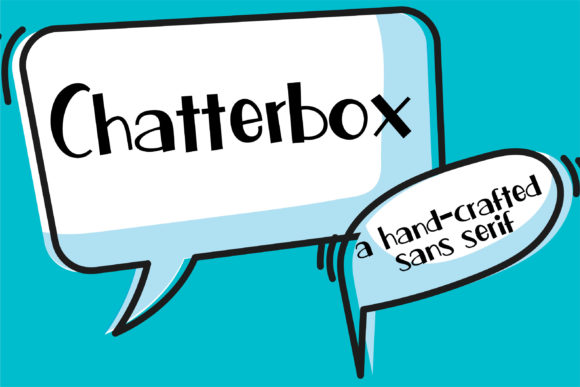
Chatterbox is a display font duo with a classic style and a playful 3D effect. The moment I saw it, I understood its personality: it’s warm, approachable, and full of character. It doesn’t shout; it engages. It has that nostalgic, almost cartoon-related charm that feels instantly friendly, perfect for anything meant to catch the eye and hold attention. Whether your business vibe is whimsical, creative, or simply wants to stand out with a touch of fun, Chatterbox brings a visual appeal that’s hard to ignore.
For my bakery, it was exactly the mood I was after—a hint of childhood wonder mixed with the trustworthy feel of a classic brand.
Where Chatterbox Shines in Your Daily Business Materials
I started small, applying it to the most visible pieces of my brand. The change was immediate and tangible.
- Product Labels & Packaging: I redesigned my bread bag labels and cake box stickers. Chatterbox, used for the product name like “Seeded Rye” or “Lemon Drizzle,” suddenly made my items look like premium treats, not just commodities.
- Social Media Graphics: My Instagram posts announcing new batches or weekly specials got a new banner template. The 3D effect made the text pop even in a busy feed, boosting engagement because people could read and recognize my style instantly.
- Menus & Signage: The café menu board and the printed takeaway menus transformed. Using Chatterbox for section headings like “Fresh Pastries” created a clear, enjoyable hierarchy.
- Brand Logos & Business Cards: While my main logo stayed as-is, I created a secondary logo mark for special events using Chatterbox. On my business cards, it added a decorative accent to my title that made the card feel unique.
- Website & Online Shop Banners: The headers on my simple website gained a focal point. For an online shop selling handmade goods, using Chatterbox for collection titles or sale announcements can dramatically improve visual consistency across the site.
This font isn’t just for one thing; it’s for every place where you want to inject personality and ensure your brand is remembered.
Building Trust Through Consistent Typography
Before Chatterbox, my materials were a mix of three different fonts I’d just downloaded because they were free. The result was a confusing visual identity that didn’t feel professional or trustworthy. Typography is a silent ambassador for your brand. The first impression a customer gets from your candle’s label, your café’s menu, or your beauty brand’s Instagram post is heavily influenced by the type you choose.
By committing to Chatterbox for all my display needs—the prominent text that needs to stand out—I created a cohesive look. That consistency signals reliability. Customers start to recognize your style, whether they see a product in a shop or an ad on Facebook. It builds a visual thread that ties your entire business together, making it look planned, polished, and customer-friendly.
Practical Advice for Using Chatterbox Effectively
Based on my experience, here’s how to make this font work best for your small business.
Best Uses: Headlines, Short Phrases, and Decorative Accents. Chatterbox is a display font. Its strength is in larger sizes. Use it for your product titles on packaging, your main headings on menus, your brand name on logos, or short, impactful quotes on thank-you cards. It’s perfect for creating a focal point.
Readability Considerations: The 3D and classic style are clear and legible at a reasonable size. On very small labels, like a tiny sticker on a spice jar, ensure you’re using a size that keeps the details crisp. On mobile screens, like social media graphics, test it—it performs wonderfully as a bold header text in thumbnails. For printed materials like packaging or posters, it’s a standout choice.
Simple Font Pairing for a Balanced Look: Chatterbox’s playful nature is best supported by a clean, neutral font for all your other text. I paired it with a simple sans serif font for body text on my menus and product descriptions. This combo lets Chatterbox shine as the star while keeping everything else easy to read. You could also pair it with an elegant serif for a more refined mix or a casual handwritten font for a completely whimsical brand identity.
Before You Dive In: Check the Technical Details
As a business owner using a font commercially, it’s crucial to do a quick checklist. Ensure the Chatterbox license covers commercial use—you want to use it on products you sell, your packaging, and your client work without worry. Look at the included file formats to make sure they work with your design software. Explore if it has stylistic alternates or ligatures for extra creative flexibility. Check its multilingual support if your market requires other languages. These practical steps save headaches later and let you focus on the fun part: designing.
The Real Upgrade Isn't Just Visual
Switching to Chatterbox wasn’t just about making my labels look cooler. It was about defining a feel for my entire business. That loaf of sourdough now sits in a bag with a label that tells a story before the customer even tastes it. The font’s classic 3D charm communicates quality and care. It has helped me present a unified brand identity that feels intentional, from the digital ads to the physical product in someone’s hands.
For any entrepreneur, café owner, online seller, or maker looking to elevate their brand’s visual story without diving into complex design theory, a font like Chatterbox can be a simple, powerful tool. It turns everyday business materials into memorable brand touchpoints, building recognition and trust with every use. And that, in the end, is what helps a small business grow.